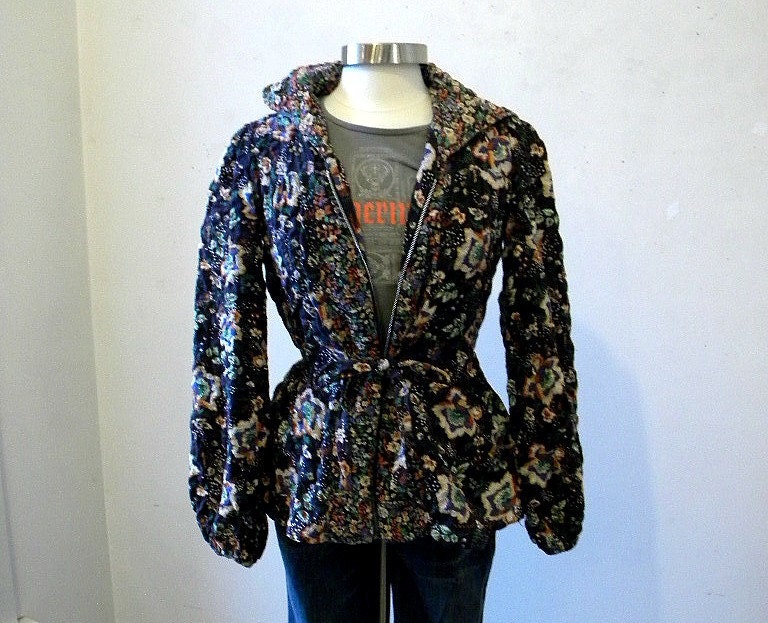
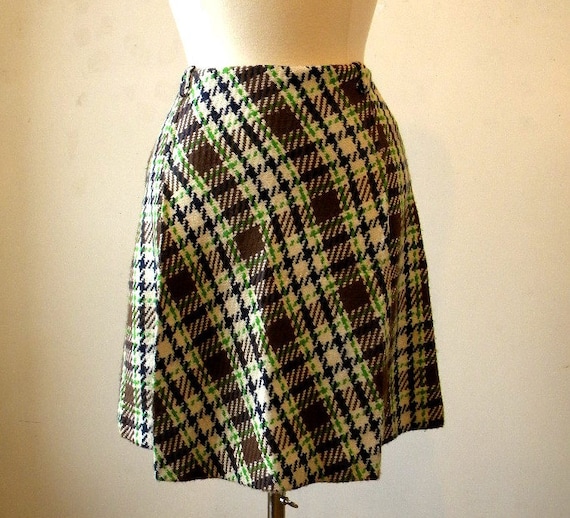
Vintage Sailor Dress from the 1970s, Chronologie Vintage, $70.
Sometimes vintage sellers are asked why their wares cost so much. After all, vintage clothes aren’t brand new.
The answer is that each piece of clothing comes with a lot of hidden benefits. If you buy from a reputable online seller, here’s some of what you pay for with your purchase.
1. Time spent finding real vintage items. Most selling venues have requirements for what qualifies as vintage. On Etsy, it’s 20 years; on Market Publique, it’s 10. Ebay has no requirement—anything can be sold as “vintage.”
Even when a venue has requirements, the rules are notoriously hard to enforce. The result is that much of what's sold online as "vintage" is not actually vintage--it’s just used, or it’s reproductions of vintage. That's why, if you care about authenticity, you must be careful who you buy from.
Reputable sellers are committed to researching brands, labels, construction, and other factors to date items accurately. This takes time, and lots and lots of digging through trash to find the treasures. Two of the resources I rely on for dating my items are www.vintagefashionguild.org and this book by Melody Fortier:

2. Quality. In addition to being old, real vintage pieces need to be worth saving. Authentic vintage is better quality than most clothes made today—often having better fit, better fabrics, and more creative designs. Some of the fabrics used in vintage clothing are simply too expensive to produce now and are no longer available.
For instance, vintage cashmere will never pill and lasts forever. You can’t say that about most of the cashmere produced today unless you’re willing to spend many hundreds of dollars.
Quality vintage pieces cost more for the seller to acquire than throw-away second-hand clothes, but they’re worth it.
3. Cleaning. With the exception of leather and some dry-clean-only coats, a reputable seller will clean everything she or he sells. For my shop, I wash/handwash/press every item using eco-friendly products whenever possible and the most gentle methods I can.
Good sellers will also tell you how to take care of your new item so you get the longest possible use out of it.
4. Repairing/mending. Many vintage clothes have buttons loose or missing, small tears in hems, or other minor issues. Reputable sellers disclose exact conditions of every item. It is my policy to fix everything I can in addition to disclosing condition.
5. Photographing and styling. One of the great advantages to buying online is convenience. From the comfort of your home, you can browse clothes on a mannequin or person, often with some styling ideas, and detailed photos of construction, fabric, and condition.
Photography for selling is an art in itself, and most sellers invest in good cameras and lighting. Models cost money. But good presentation helps the buyer know what s/he’s getting, and how s/he might use the piece.
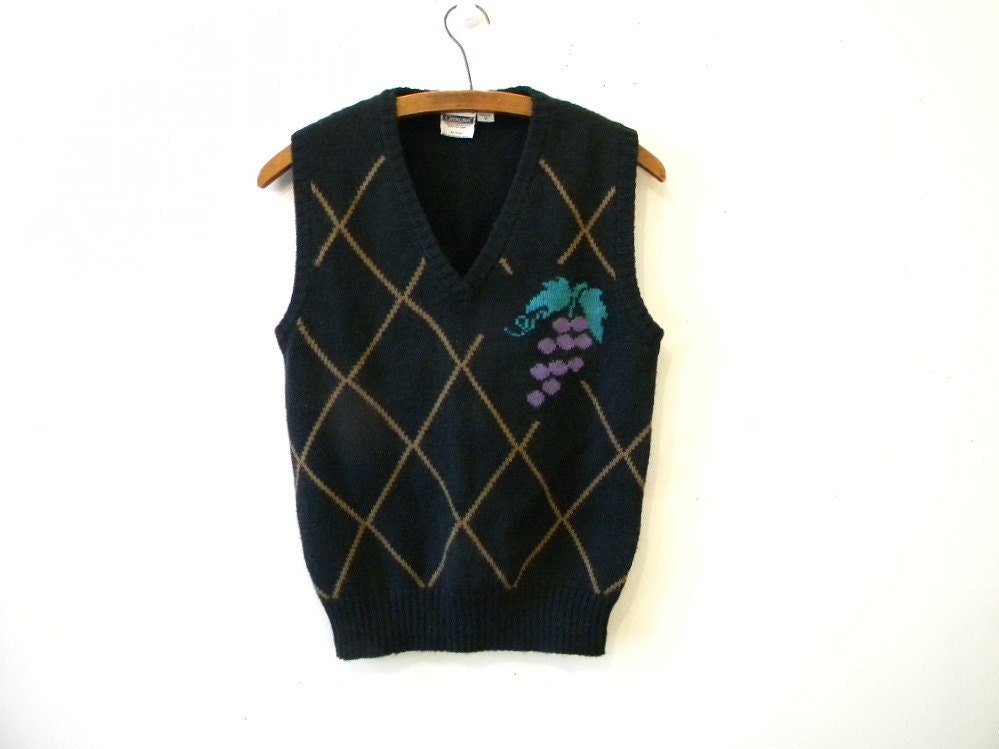
Check out these photos of a cute vintage sweater vest for sale in my shop. How much better does it look in the second photo?!


6. Measurements. Reputable sellers will give you exact measurements of the garment, preferably in inches and metric. Vintage sizes are often smaller than today's sizes, so you really need these numbers for proper fit. Of course, it takes more time to provide this information, but it’s worth it if you’re more likely to get a perfect fit the first time.
7. Guarantees. In my opinion, a good seller will always offer a return policy. This costs the seller money in time and re-stocking, but it’s really necessary to a good shopping experience.
So...to sum up, when you buy a piece of clothing from a reputable seller, you're buying a value-added garment, complete with the assurance that it's truly vintage. You're also getting the ease of having it land on your doorstep in ready-to-wear condition, and great customer service.
I hope this has helped explain pricing of vintage clothes from many shops, including my own, Chronologie Vintage.
Love,
sallymandy