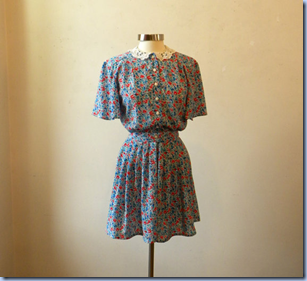
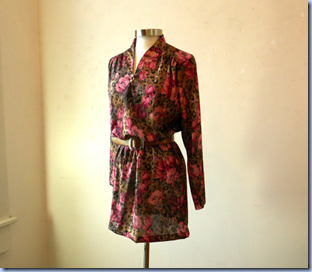
Dahlia I by Caroline Kelly.
Do you love dahlias as much as I do? The incredible variety of size, shape and coloration in today’s dahlias results from a fascinating history of cultivation.
A few years ago I became so obsessed with the dahlias (which I am fundamentally unable to grow) that I spent some time researching its history. So get a cup of tea and join me on a winding, colorful walk through the garden of the past.
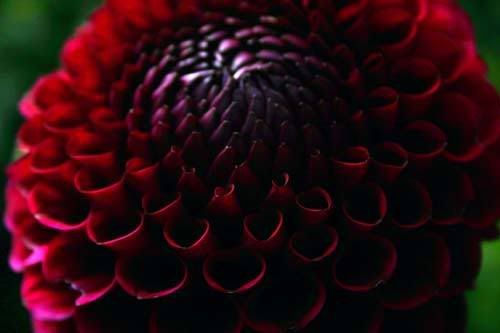
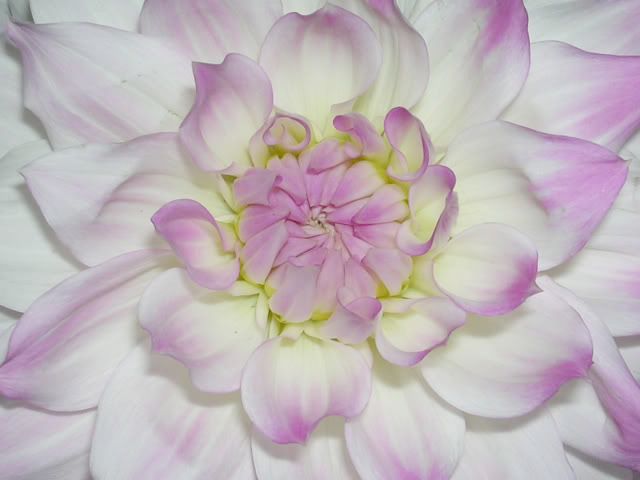
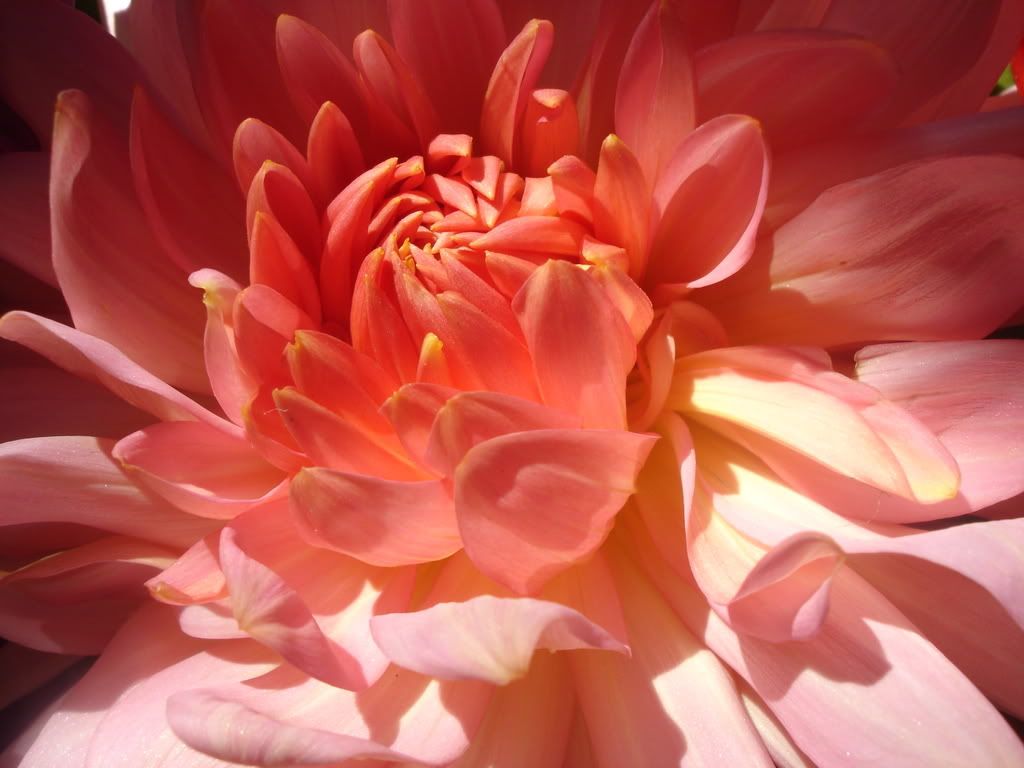
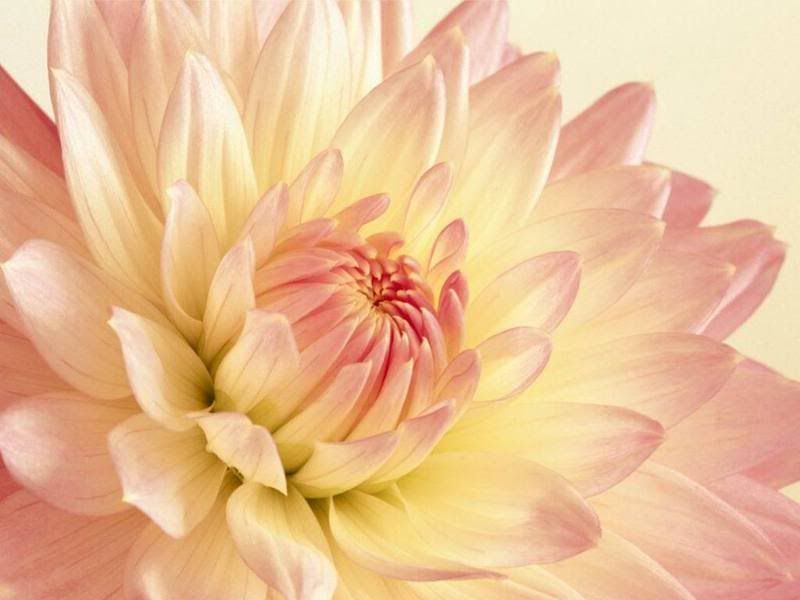
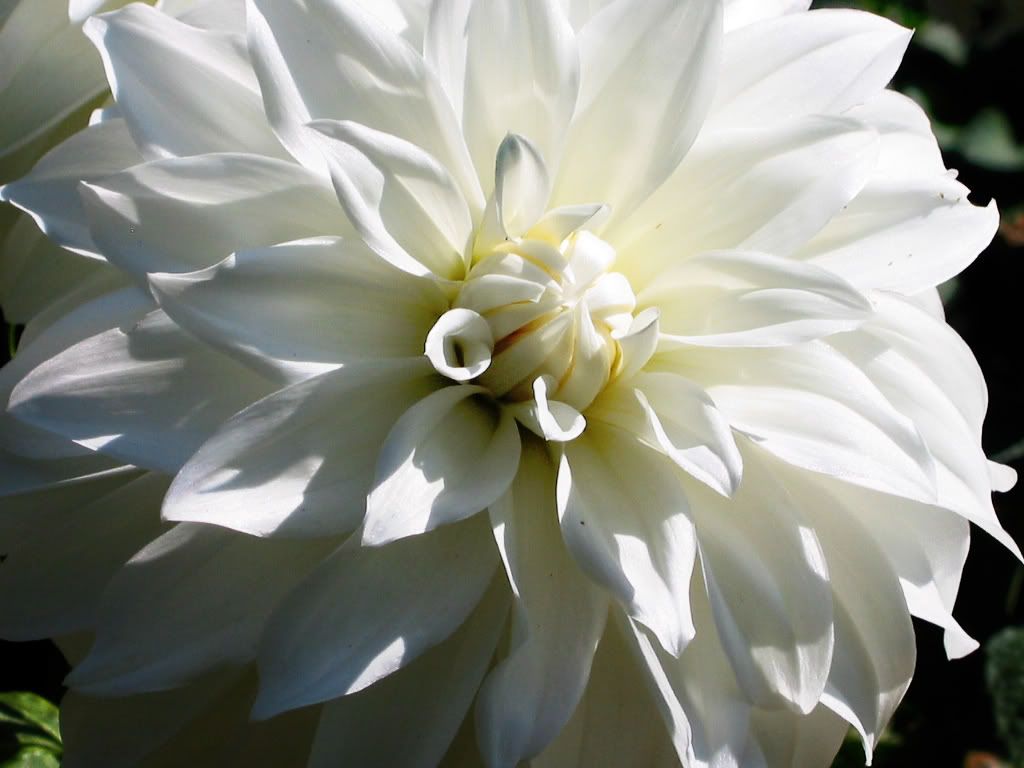
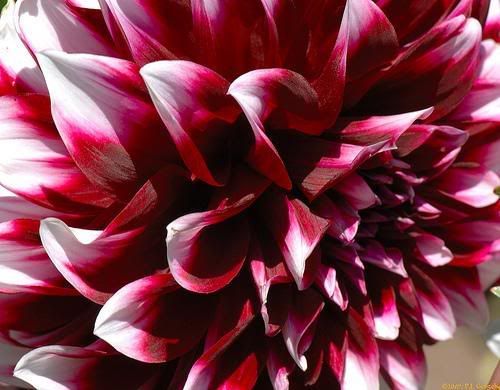
As the photos here show, the magnificence of the modern dahlia is largely a function of its complex petal structure and color variety. But the original dahlia was much more humble. Today’s cultivated species originated from a simple Mexican wildflower, so common as to be considered a weed, and with only only eight petals and few colors.
To understand how this happened, we must go back to Mexico shortly after the end of the Aztec Empire. The year is 1552. The place is the heart of Mexico: Tenochtitlan, or Mexico City.
For over forty years, the city has been in the hands of the Spanish conquistadores. The last Aztec dictator, Montezuma, is dead.
Deep in the Aztec quarter of the city, a school operates for the education and Christianization of Aztec boys. It is known as the Colegio de Santa Cruz de Tlatelolco. A young Aztec student named Juannes Badianus has written a botanical treatise on the fundamentals of the very sophisticated Native botanical practice. When Juannes is finished with the manuscript, it is translated into the Latin by Martinus de la Cruz, another talented Aztec student at the colegio.

El Colegio de la Santa Cruz de Tlatelolco
The manuscript these two produce will be known to history as the Badianus Manuscript. It is the first known compendium of medicinal plants in the New World.
The manuscript contains a depiction of a simple eight-petaled wild dahlia, below, included in the manuscript because the Aztecs valued these wild flowers for their many medicinal qualities. Scholars believe the drawing is the species we now know as Dahlia coccinea, one of the many wild Mexican dahlias.

This illustration may be the first recorded example of a wild Mexican dahlia—or any dahlia, for that matter. Although scholars are not unified in in this belief, what is clear is that this stylized illustration does resemble a wild Mexican dahlia, characterized by its “single flowered” structure—that is, a flat, eight-petaled arrangement. Almost always, wild dahlias possess this single-flowered structure.

It is now almost a hundred years later. Back in Spain, King Philip II has commissioned a book of medicinal plants from the New World. It will be authored by the King’s personal physician, Francisco Hernandez.
This huge work, known as Rerum Medicarum Novae Hispaniae, is even larger and more far-reaching than the Badianus Manuscript. After many revisions and additions, it is finally published in Rome, many years after its author’s death.
The Rerun Medicarum contains illustrations of many flowers that will later be called dahlias. One of them points to a mystery that scholars and scientists today have yet to unravel. The flower in this illustration is a double variety—that is, having two “layers” of petals.
Because the known wild dahlias are “single flowered,” with eight petals, and given the long history of dahlia cultivation in Aztec culture, it is presumed that the illustration shows a dahlia that people have cultivated. But no one knows how or where, or by whom, the cultivation was done. The other two depictions in the Rerum Medicarum are of single flowers.

It is now over a hundred years later—the late 1700s.
Jose Antonio Cavanilles is director of the Royal Botanic Gardens in Spain, and a major figure in world botanical circles. In about 1788 or 1789, Cavanilles receives a shipment of seeds from a Mexican botanical garden. He plants these and records his findings as they grow. Among the resulting plants are three that are unusual enough that he later classifies them as a new species. He calls them “dahlia” after his friend, the Swedish botanist Andreas Dahl.
The first of Cavanilles’ recorded dahlias appears in 1791. He names it d. pinnata. It is a double-headed flower.

Cavanilles’ drawing of Dahlia pinnata, ca. 1791.
Later, in 1796, he records two others, d. rosea and d. coccinea. Both are single-headed.
 Cavanilles’ drawing of Dahlia coccinea, ca. 1796.
Once again, a double-headed dahlia is recorded in Europe but not attributed to cultivators in Mexico. Because of the scarcity of double-headed dahlias in nature, it is generally presumed that Cavanilles’ seeds came from cultivated plants. But from where? And—cultivated by whom?
By 1800, there is widespread interest in Europe for plants of the New World. In 1802 Cavanilles sends dahlia seeds to the Paris Museum of Natural History, and elsewhere in Europe. Each successive sowing shows the species’ remarkable variability, bringing new colors and shapes.
In Berlin, dahlias are mistakenly re-classified as a different species for a fourth edition of Linnaeus’ Species Plantarum. This “new” species is named Georgina. Thus, the plant is known both as Georgina and Dahlia for many years before the duplication of naming was discovered and corrected. In some parts of Eastern Europe, “georgina” is still used to name a garden dahlia.
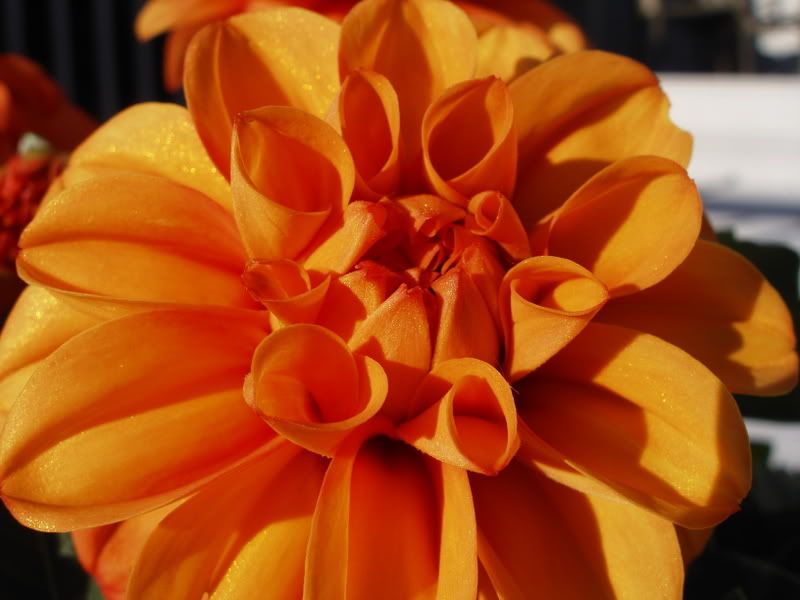
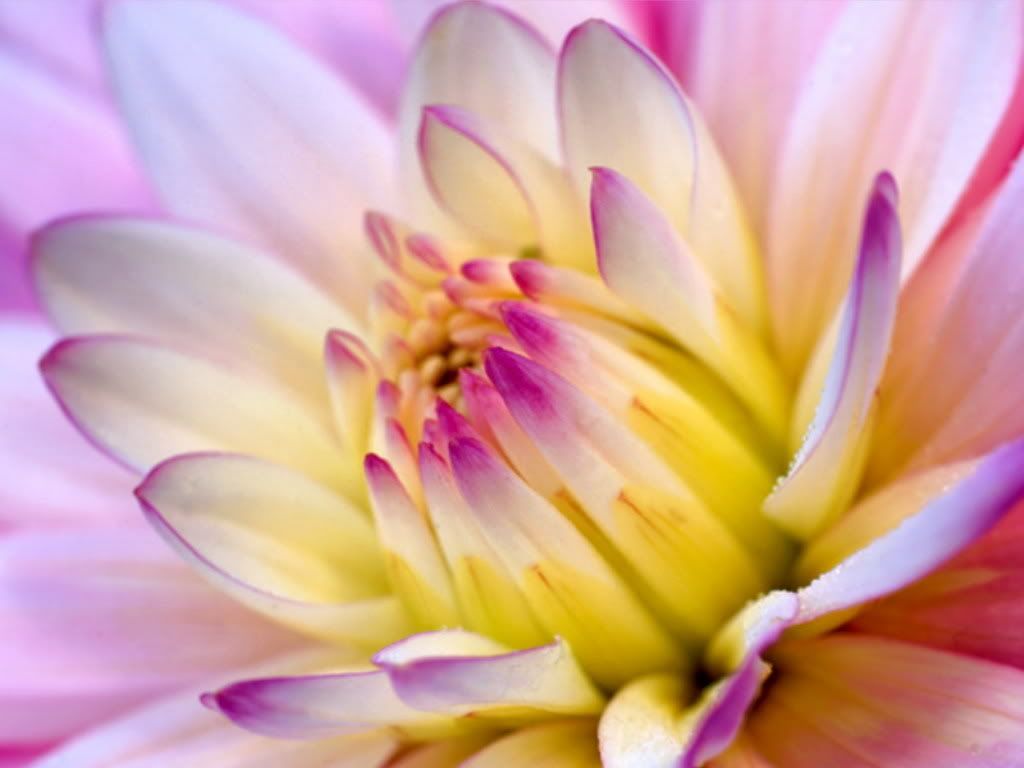
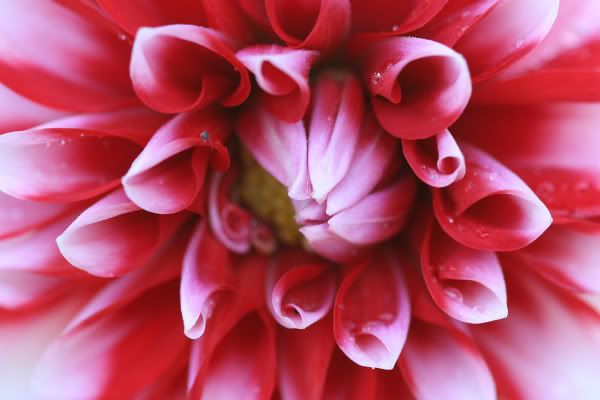
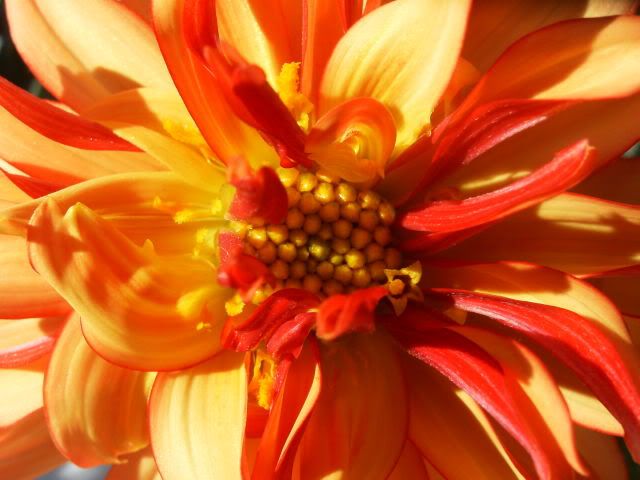
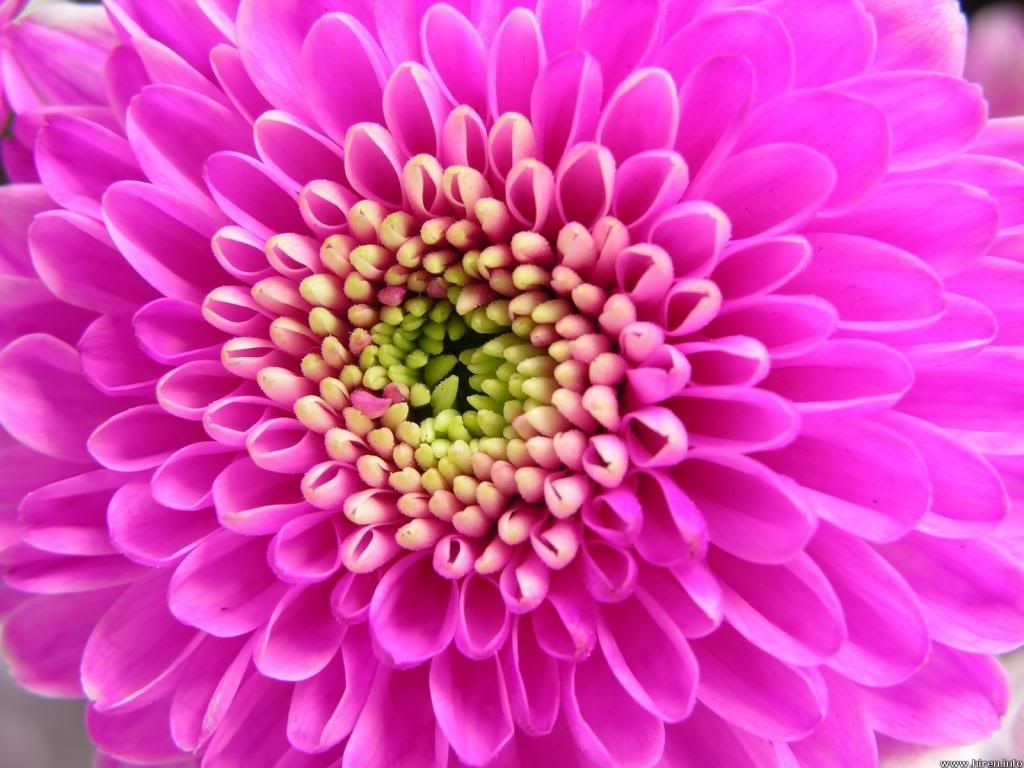
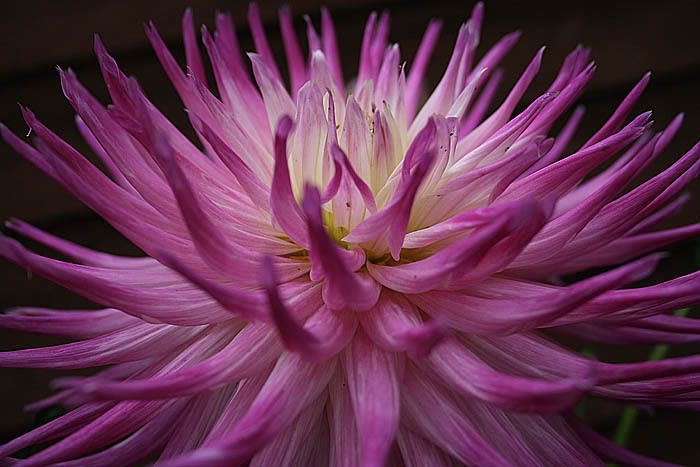
By 1934, over 14,000 dahlia cultivars are recognized. Much of the work of developing these strains has occurred in England, and history has obscured the Mexican heritage of this most popular garden flower.
In particular, the question has remained unanswered of whether the first “double” dahlias were cultivated or occurred in the wild.
Today, the dahlia is the national flower of Mexico, and the presumed original species, dahlia coccinea, grows wild on the mountainsides as it did many hundreds of years ago.

Wild D. coccinea
Reading List:
The Dahlia, An Early History from Harvard University’s Arnold Arboretum
Stanford Dahlia Project
All Rights Reserved, The Blue Kimono, 2011.
Unless otherwise marked, photographs come from www.photobucket.com, and you can find their titles and artists by scrolling over the images. Other unmarked photos are in the public domain.